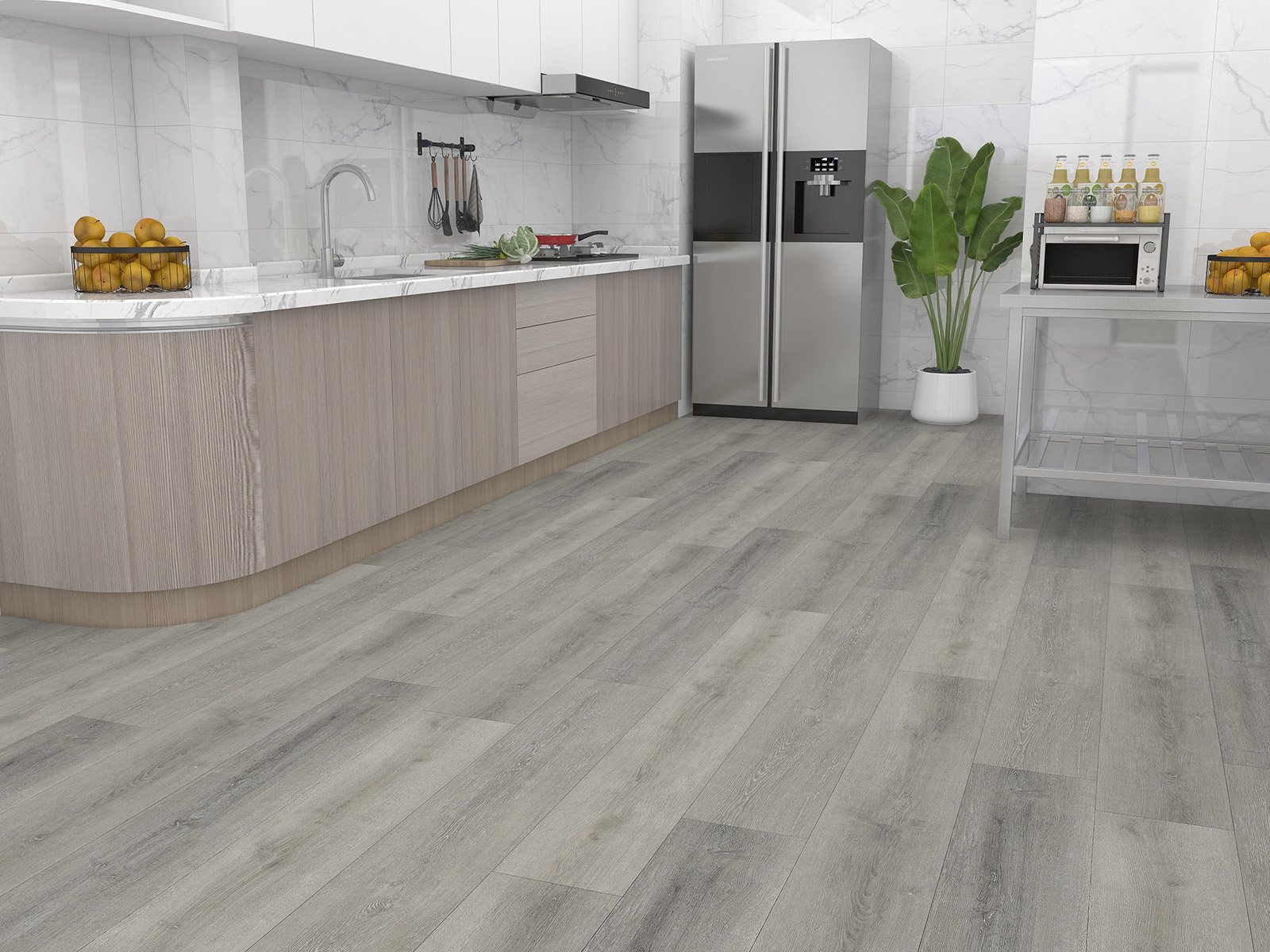
Transform Your Space with Vinyl Plank Flooring: A Comprehensive Guide
Vinyl plank flooring is an affordable and versatile option that can be used in nearly any style of home. It’s a great choice for those who want to completely redo their flooring and those who don’t want to break the bank. In this guide, we will cover what vinyl plank flooring is, the different types of vinyl plank flooring, and the pros and cons of installing vinyl plank flooring.
What is Vinyl Plank Flooring?
Vinyl plank flooring is an engineered material that looks and feels like real wood but is actually constructed with a core layer of solid PVC, typically topped with a vinyl wear layer. These planks snap or glue together to form a tight, waterproof seal, making it easy to install and resistant to moisture. This type of flooring is available in a range of styles and colors, making it a great choice for those looking to achieve the look and feel of real wood but without the upkeep and cost.
Types of Vinyl Plank Flooring
Vinyl plank flooring is available in two different types: sheet and tile.
Sheet Vinyl: Sheet vinyl is one continuous piece and is usually thicker and stronger than tile. It is an excellent choice for areas with high water presence such as bathrooms, laundry rooms, and kitchens. The wear layer is an important aspect to consider when shopping for sheet vinyl flooring, as it determines how durable and scratch-resistant the material is.
Tile Vinyl: Tile vinyl is installed in individual tiles and is typically cheaper than sheet vinyl. It tends to be thinner and less resistant to wear and tear than sheet vinyl. It’s a great choice for those looking for more design options and flexibility.
Pros and Cons of Vinyl Plank Flooring
Installing vinyl plank flooring can be a great choice for your home, but there are a few things to consider before making a decision.
Pros: Vinyl plank flooring is an affordable option that is easy to install, easy to maintain, and highly durable. It is also waterproof, making it suitable for wet areas such as bathrooms and kitchens. It is also available in a variety of colors, styles, and textures, making it easy to customize and find the perfect floor for your space.
Cons: Vinyl plank flooring can be slippery when wet and is prone to fading over time. It is also not as durable as other types of flooring such as hardwood. It should not be used in areas of high traffic or heavy furniture, as this can cause damage to the planks. Additionally, vinyl planks are not as environmentally friendly as other flooring materials, as some of them contain PVC which can release toxins into the environment.
Conclusion
Vinyl plank flooring is an affordable and cost-effective way to transform any space. It is easy to install, easy to maintain, and available in a variety of styles and colors. Consider the pros and cons of vinyl plank flooring before making a decision to ensure it is the right choice for you and your home.