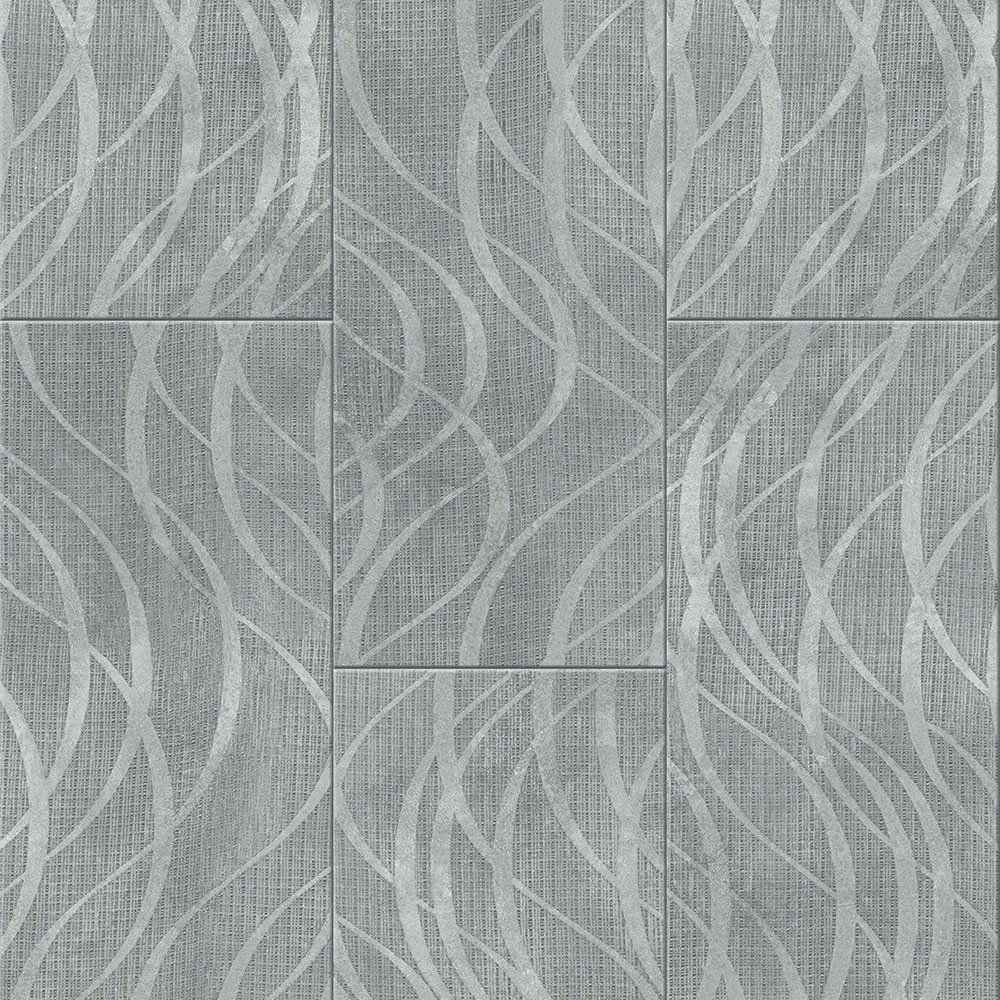
PVC Flooring: The Perfect Solution for Durable and Low-Maintenance Floors
If you’re looking for a flooring solution that is durable, low-maintenance, and affordable, look no further than PVC (polyvinyl chloride) flooring. PVC flooring is a type of synthetic flooring that is made from a combination of vinyl resin, plasticizers, and stabilizers. It is known for its ability to withstand heavy foot traffic, moisture, and spills, making it an ideal choice for high-traffic areas like kitchens, bathrooms, and commercial buildings.
The Benefits of PVC Flooring
PVC flooring is popular for its many benefits, including:
- Durability: PVC flooring can withstand heavy foot traffic and is resistant to scratches, scuffs, and stains.
- Water resistance: PVC flooring is highly resistant to water, making it ideal for use in bathrooms, kitchens, and other areas prone to moisture.
- Low-maintenance: PVC flooring is easy to clean and maintain. Simply use a damp mop or cloth to clean up spills and dirt. It doesn’t require regular polishing or buffing like other types of flooring.
- Comfort: PVC flooring has a cushioned feel underfoot, making it more comfortable to stand on for extended periods.
- Cost-effective: PVC flooring is one of the most affordable flooring options available, making it an excellent choice for budget-conscious homeowners and businesses.
The Types of PVC Flooring
There are two main types of PVC flooring:
- Homogeneous PVC: Homogeneous PVC flooring is a solid-colored, single-layered flooring that is made from a single piece of PVC. It is durable, low-maintenance, and comes in a range of colors and designs.
- Heterogeneous PVC: Heterogeneous PVC flooring is multi-layered, with a base layer of foam or felt, a printed design layer, and a protective wear layer on top. It is available in a wide range of designs, patterns, and colors, including wood, stone, and tile looks. This type of flooring is often used in commercial settings like hospitals, schools, and offices.
The Installation Process for PVC Flooring
PVC is a versatile flooring option that can be installed in a variety of ways, including:
- Glue-down: Glue-down installation involves applying adhesive to the subfloor and laying the PVC flooring on top. This method provides a strong, durable bond between the flooring and subfloor.
- Loose-lay: In a loose-lay installation, the PVC flooring is not glued to the subfloor. Instead, it is held in place by its own weight and can be easily removed or replaced if necessary. This method is ideal for temporary or rental spaces.
- Click-lock: Click-lock PVC flooring is designed to snap together like a puzzle. This method is quick and easy to install and doesn’t require any adhesives.
The Maintenance and Care of PVC Flooring
Maintaining PVC flooring is simple and straightforward. Here are some tips:
- Clean up spills and dirt immediately to prevent stains and damage.
- Vacuum or sweep regularly to keep the floor free of dirt and debris.
- Use a damp mop or cloth to clean the floor. Avoid using abrasive cleaners or scrubbing brushes that could scratch or damage the surface.
- Avoid excessive moisture on the floor, as it can damage the adhesive or cause warping.
The Bottom Line
PVC flooring is a durable, low-maintenance, and affordable flooring option that is ideal for high-traffic areas like bathrooms, kitchens, and commercial spaces. With a range of colors, designs, and installation options to choose from, PVC flooring offers versatility and practicality for any space.