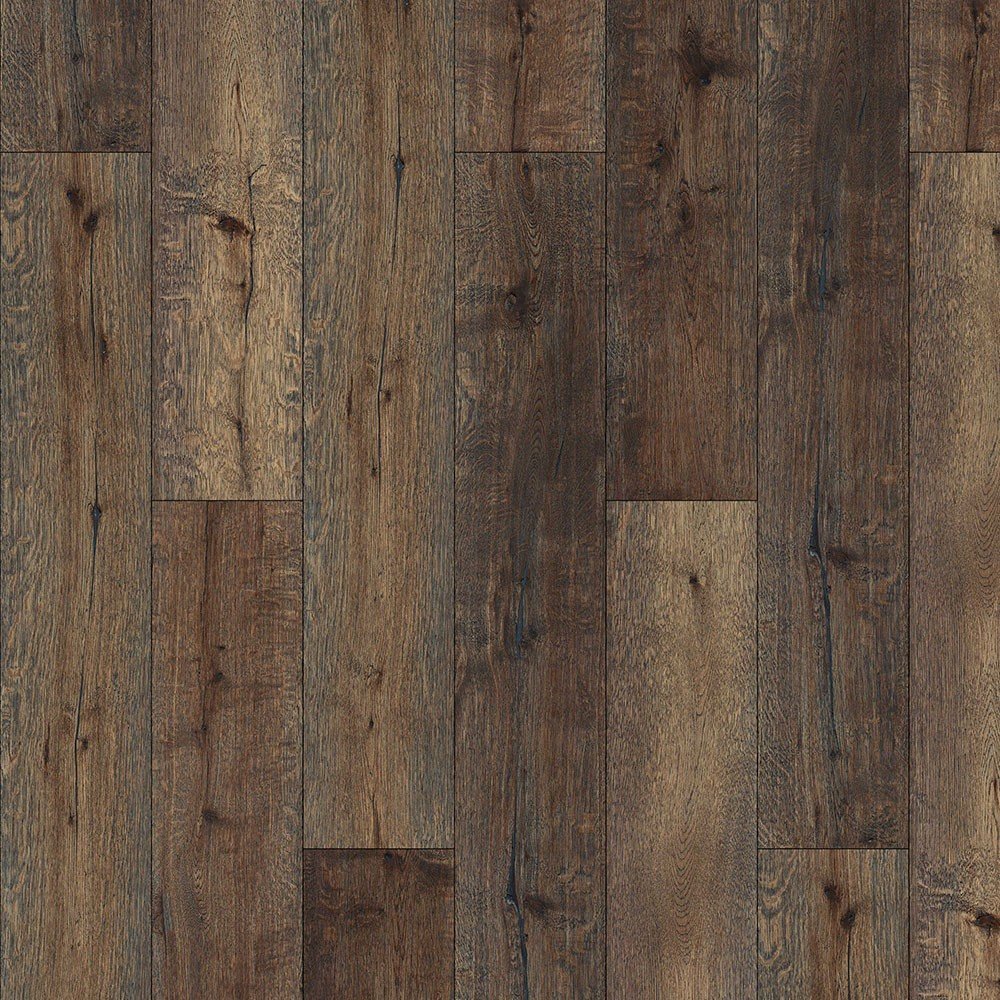
Insight into PVC Flooring: Benefits, Installation, and Maintenance
When it comes to flooring options, PVC (Polyvinyl Chloride) is gaining popularity due to its numerous benefits, easy installation, and low maintenance requirements. Whether used in residential or commercial settings, PVC flooring offers durability and versatility, making it a cost-effective choice for many.
Benefits of PVC Flooring:
- Durability: PVC flooring is known for its exceptional durability. It can withstand heavy foot traffic, making it ideal for high-traffic areas like hallways, kitchens, and commercial spaces.
- Water Resistance: PVC flooring is water-resistant, making it suitable for areas prone to moisture such as bathrooms, kitchens, and basements.
- Easy Maintenance: PVC flooring is incredibly low maintenance. Regular sweeping and occasional mopping are usually sufficient to keep it clean and looking great.
- Comfortable: PVC flooring provides a comfortable underfoot feel due to its resilience and cushioning properties, enhancing the overall comfort of your living or working space.
- Affordability: PVC flooring offers excellent value for money. It is typically more affordable than other flooring options while still providing durability and style.
- Variety of Styles: PVC flooring comes in a wide range of patterns, colors, and designs, allowing you to find the perfect match for your personal style and interior décor.
Installation:
Installing PVC flooring is a relatively straightforward process that can be done by both professionals and DIY enthusiasts. It is available in various formats, including PVC planks and tiles.
Steps for PVC Flooring Installation:
- Prepare the subfloor by cleaning, leveling, and ensuring it is dry.
- Acclimate the PVC flooring in the room where it will be installed for at least 48 hours.
- Start by placing the first row of PVC planks or tiles, using proper adhesives or the click-and-lock mechanism.
- Continue laying the flooring, making sure to leave a small gap near the walls for expansion.
- Trim any excess material using a utility knife.
- Allow the newly installed flooring to settle for a few days before heavy use
Maintenance:
Tips for PVC Flooring Maintenance:
Cleaning
Regularly sweep or vacuum the floor to remove dirt and debris. Use a damp mop with a mild pH-neutral cleaner for deeper cleaning. Avoid using abrasive cleaners, as they may damage the surface.
Preventive Measures
Place doormats at entry points to prevent tracking dirt and grit onto the PVC flooring. Additionally, use furniture pads to protect the surface from scratches caused by moving furniture.
Avoid Excessive Water
While PVC flooring is water-resistant, prolonged exposure to standing water or excessive moisture should be avoided. Promptly wipe up any spills or water to prevent damage.
Avoid Sharp Objects
Avoid dragging sharp or heavy objects across the PVC flooring, as they may cause scratches or dents. Use furniture glides when moving heavy furniture.