Uncovering the Mysteries of Vinyl Flooring: Benefits, Installation, and Maintenance
The Advantages of Vinyl Flooring
Vinyl flooring has gained immense popularity in recent years due to its numerous benefits. Whether you are planning to revamp your home or office space, vinyl flooring offers a versatile, cost-effective, and stylish solution. Here are some key advantages:
- Durability: Vinyl flooring is highly durable and can withstand heavy foot traffic, making it an ideal choice for high-traffic areas such as hallways, kitchens, and commercial spaces. It is resistant to scratches, stains, and dents, ensuring a long-lasting investment.
- Water Resistance: Vinyl flooring is water-resistant, making it suitable for areas prone to moisture, including bathrooms and laundry rooms. It is an excellent alternative to traditional materials like hardwood, which can be vulnerable to water damage.
- Easy Maintenance: Vinyl flooring is incredibly low maintenance. Regular sweeping or vacuuming, along with occasional damp mopping, is enough to keep it looking clean and fresh.
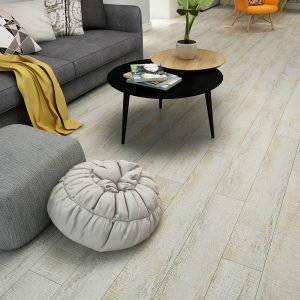
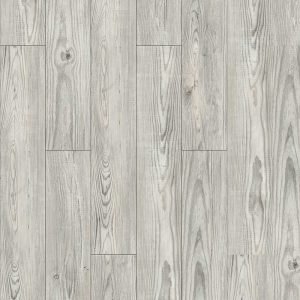
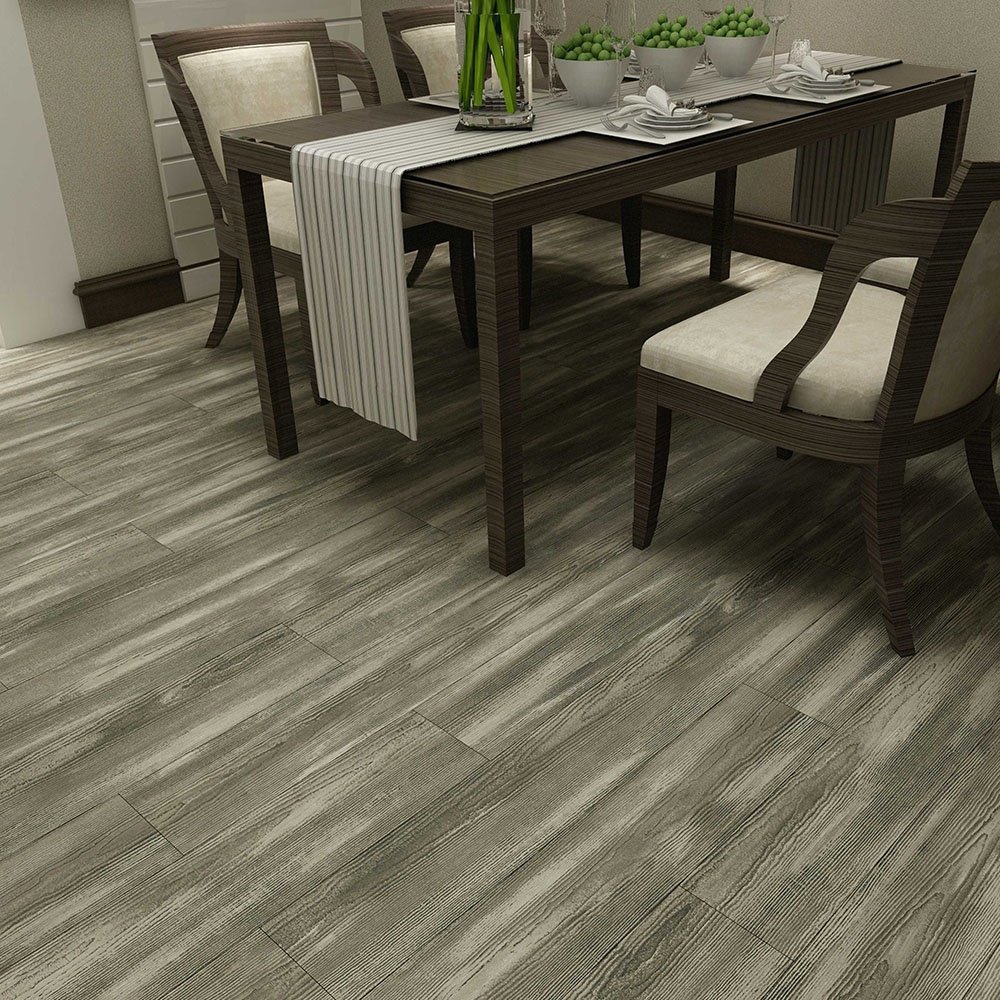
- Wide Range of Options: Vinyl flooring comes in a vast array of colors, patterns, and textures. Whether you prefer a classic wooden look or want to experiment with contemporary designs, vinyl offers plenty of choices to suit any aesthetic.
- Comfort and Noise Reduction: Vinyl flooring provides a soft and comfortable feel underfoot. It also absorbs sound, reducing echoes and noise levels in your living or working space.
Installation Process
Vinyl flooring is known for its straightforward installation process.
- Prepare the Subfloor: Ensure the subfloor is clean, dry, and level. Remove any existing flooring, fill cracks, and repair imperfections.
- Measure and Cut: Measure the room’s dimensions and cut vinyl sheets accordingly, leaving room for expansion. Alternatively, vinyl tiles can be installed for a different look.
- Apply Adhesive: Lay the vinyl sheets or tiles in the desired pattern and apply adhesive according to the manufacturer’s instructions.
- Press and Seal: Press the vinyl firmly onto the adhesive, ensuring proper adhesion. Use a roller to remove any air bubbles and ensure a smooth surface.
- Finishing Touches: Trim any excess vinyl around the edges and install baseboards to provide a polished look.
Maintenance Tips
Maintaining vinyl flooring is simple and hassle-free:
- Regular Cleaning: Sweep or vacuum regularly to remove dirt and dust. Use a damp mop with a mild cleaning solution for a deeper clean.
- Prevent Scratches: Place doormats at entryways to trap dirt and prevent it from scratching the vinyl surface. Use protective pads under heavy furniture.
- Avoid Excessive Moisture: Quickly wipe up any spills or liquids to prevent water damage. Do not use excessive water during cleaning.
- Avoid Harsh Chemicals: Avoid using abrasive cleaners or chemicals that may cause discoloration or damage to the vinyl surface.
- Periodic Maintenance: Depending on the type of vinyl flooring, occasional waxing or polishing may be required. Follow the manufacturer’s recommendations for specific maintenance requirements.
Conclusion
Vinyl flooring offers an excellent combination of durability, versatility, and aesthetic appeal. Its water resistance, ease of maintenance, and affordable price make it a compelling choice for homeowners and businesses alike. By following proper installation techniques and regular maintenance, your vinyl flooring can retain its beauty for years to come while enhancing the overall ambiance of your space.