Revamp Your Space with Vinyl Flooring: A Comprehensive Guide

Introduction
In search of a cost-effective and stylish way to transform your living space? Look no further than vinyl flooring. This comprehensive guide will delve into the benefits, types, installation, and maintenance of vinyl flooring, helping you make an informed decision for your home or office.
The Advantages of Vinyl Flooring
Vinyl flooring has gained immense popularity in recent years due to its numerous advantages. Here are a few key benefits that make it an excellent choice for any space:
- Waterproof and moisture-resistant: Perfect for kitchens, bathrooms, and other high-moisture areas.
- Durable and long-lasting: Can withstand heavy foot traffic, making it ideal for commercial spaces.
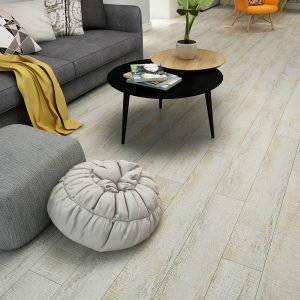
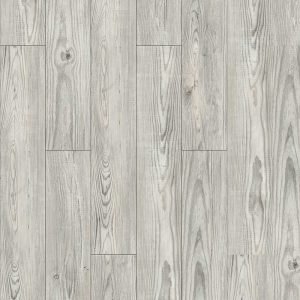
- Stylish designs: Available in a wide range of patterns, colors, and textures, which can imitate natural materials like wood or stone.
- Easy to maintain: Requires minimal maintenance, making it suitable for families with children or pets.
- Cost-effective: Offers an affordable flooring option without compromising on quality and aesthetics.
Types of Vinyl Flooring
Vinyl flooring comes in various types, each with its unique qualities and installation methods. Here are the main categories:
1. Luxury Vinyl Plank (LVP)
LVP resembles hardwood flooring, providing an authentic wood look and feel. It is available in different plank sizes and finishes, giving you the freedom to choose the perfect style for your space.
2. Luxury Vinyl Tile (LVT)
LVT mimics the appearance of natural stone or ceramic tiles. It offers exceptional versatility, allowing you to create a stunning tiled floor effect without the high cost and maintenance associated with traditional materials.
3. Sheet Vinyl
Sheet vinyl is a single, continuous sheet of flooring that is ideal for large areas. It is easy to install and maintain, and its seamless design makes it an excellent choice for high-traffic spaces.
Installation Process
While professional installation is recommended, if you’re a DIY enthusiast, you can install vinyl flooring yourself, provided you have the necessary tools and follow the manufacturer’s instructions. Here are some general steps to get you started:
- Prepare the subfloor by ensuring it is clean, dry, and level.
- Measure and cut the vinyl flooring to fit the room, leaving a small gap around the edges for expansion.
- Apply adhesive or use the click-and-lock system, depending on the type of vinyl flooring you’ve chosen.
- Smooth out any air bubbles and ensure the flooring is properly aligned.
- Allow sufficient time for the adhesive to dry, and voila! Your new vinyl flooring is ready to enjoy.
Maintenance Tips
To ensure the longevity and beauty of your vinyl flooring, follow these maintenance tips:
- Regularly sweep or vacuum to remove dirt and debris.
- Wipe up spills immediately to prevent staining.
- Use a damp mop with a mild cleaner to clean the surface periodically.
- Avoid using abrasive cleaners or scrub brushes that can damage the flooring.
- Place mats at entrances to minimize dirt and moisture.
Conclusion
Revamping your space with vinyl flooring can bring a fresh and modern look to any room. Its affordability, durability, and versatility make it an excellent choice for homeowners and business owners alike. Take advantage of the vast array of vinyl flooring options available and transform your space today!