Revamp Your Home with Vinyl Plank Flooring: The Ultimate Guide!
Are you looking to revamp your home with a beautiful new flooring option that won’t break your budget? Look no further than vinyl plank flooring: a great option with unique benefits that make it a top pick for any home.
Vinyl plank flooring is an excellent substitute for hardwood floors, offering all its advantages without the costly care and maintenance required. This type of flooring is extremely popular among homeowners for its durability, appearance, and comfort. Plus, it’s easy to install and resistant to water damage.
In this guide, we’ll provide a complete overview of vinyl plank flooring, including the different types available, installation techniques, and maintenance advice. So if you’re ready to give your home the upgrade it deserves, let’s get started.
Types of Vinyl Plank Flooring
When it comes to choosing the right type of vinyl plank flooring for your home, there are various factors to consider. The two main types are luxury vinyl plank flooring (LVP) and engineered vinyl plank flooring (EVP).
Luxury Vinyl Plank Flooring (LVP): LVP offers a luxurious wood-look, with many options available in a range of colors and wood grain patterns. It is available in interlocking planks and is easy to install with minimal tools. Plus, it’s incredibly durable and water-resistant.
Engineered Vinyl Plank Flooring (EVP): EVP is an innovative type of vinyl plank flooring with a density core and a hard protective wear layer. It is ideal for any room in the house and offers enhanced stability and performance. Unlike LVP, EVP comes in clickable planks, making it an even easier installation process.
Installation
Installing vinyl plank flooring is a relatively easy process that requires a few basic tools. Depending on the type of vinyl plank you choose, you’ll need a soft mallet, measuring tape, utility knife, saw, and the manufacturer’s recommended underlayment.
Before you begin, make sure that the subfloor is clean and level. If the subfloor has any defects, it’s important that you repair them before proceeding with the installation.
Once you’ve got everything ready, you can begin laying your vinyl plank flooring. Start in one corner of the room and make sure you stagger each plank so the seams don’t line up. If you choose an LVP, you should apply a light pressure to the planks to get a tight fit. If your vinyl plank flooring has adhesive attached to it, simply peel and stick to adhere it to the subfloor.
Once you’ve installed your new vinyl plank flooring, it’s important to clean it regularly to keep it looking its best. We recommend using a broom or vacuum to remove any dirt or debris and using a damp mop with the appropriate cleaning solution for tougher stains.
Benefits of Vinyl Plank Flooring
Vinyl plank flooring offers numerous benefits that make it an ideal choice for any home. It is extremely durable and easy to install. Plus, it’s much less expensive than hardwood floors and requires very little maintenance. It’s also a great option for rooms that have a lot of foot traffic, as it can easily withstand everyday wear and tear.
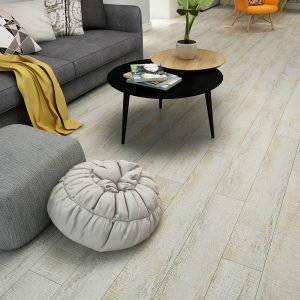
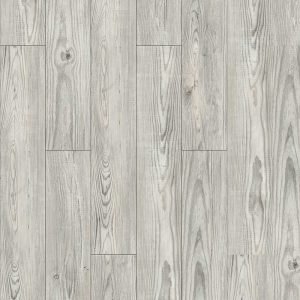
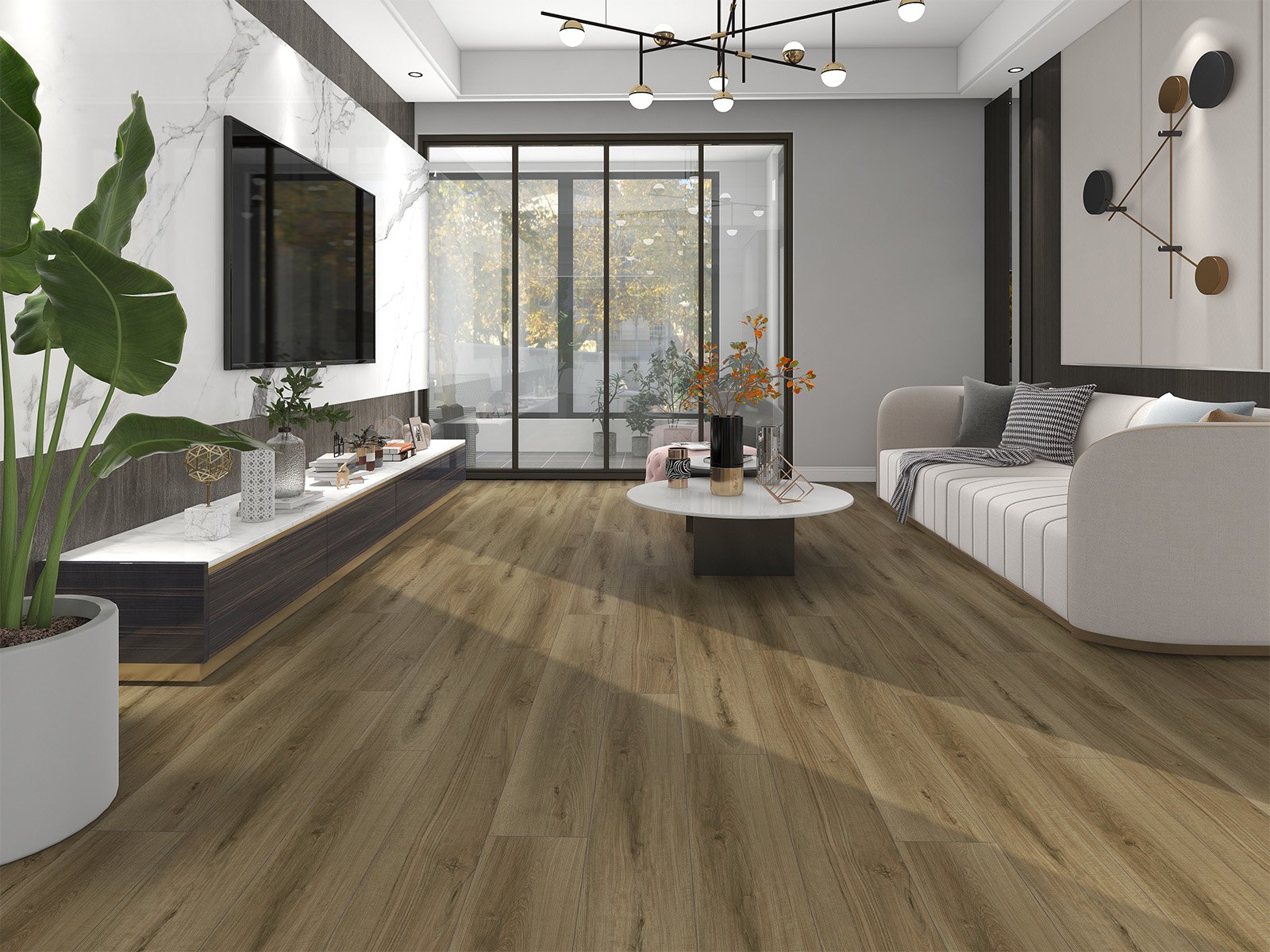
The best part about vinyl plank flooring is its incredible versatility. It comes in a variety of colors and styles and can easily mimic other flooring materials like hardwood. There’s also a variety of textured finishes available, so you can create the look and feel that best fits your home. Plus, it’s a great way to give any room in your home a cozy and inviting feel.
Conclusion
Vinyl plank flooring is an excellent way to give your home a new look without breaking the bank. With its wide range of colors and styles, you can create a unique look that compliments any type of decor. Plus, it’s easy to install and requires little to no maintenance. So if you’re ready to give your home an upgrade, vinyl plank flooring is definitely the way to go.