Uncovering the Benefits of Vinyl Flooring: Beauty, Durability, and Affordability
Vinyl flooring is quickly becoming a must-have choice for the modern homeowner, with benefits of beauty, durability, and affordability that cannot be overlooked. Whether you’re looking to replace your existing flooring or starting fresh with new construction, vinyl floors may offer the best solution for many types of homes.
Beauty
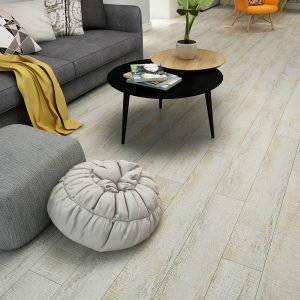
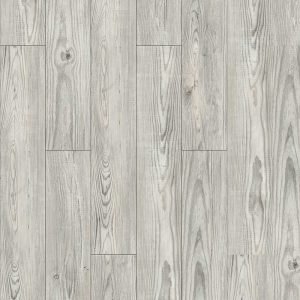
Vinyl floors come in a variety of styles, allowing you to match any existing décor in your home or to create a wholly new look with ease. The available designs range from wood-look planks to glossy tiles, all made from resilient and durable vinyl laminate. The ability to produce realistic wood grain and other visuals on the vinyl allows for a wider range of options and styles than real wood or tile floors, giving you more choice and ability to customize.
Durability
Vinyl floors are incredibly resilient and durable, able to withstand wear and tear for many years with minimal effort or upkeep. The material is naturally resistant to moisture, making it perfect for kitchens or bathrooms with frequent moisture or spills. Vinyl floors are also easy to clean, requiring only a quick sweep or damp mop to keep them looking like new.
Affordability
Finally, vinyl floors offer exceptional affordability compared to other floors such as hardwood or tile. The cost of installation and materials are both lower with vinyl, allowing homeowners on any budget to enjoy the beauty of new floors without breaking the bank.
In the end, the benefits of vinyl flooring cannot be overlooked. Its combination of beauty, durability, and affordability make it an excellent choice for any home. Whether you’re looking for a luxurious wood look or something more classic, vinyl floors may offer an ideal solution that won’t strain your wallet.
What are the drawbacks of vinyl flooring?
1. Lower durability: Vinyl flooring is not as durable as other types of flooring, such as hardwood or tile. It can be easily scratched and dented and will not last as long.
2. Not as eco-friendly: Vinyl flooring typically contains PVC, which is a synthetic product made from petroleum. It does not biodegrade and thus can be harmful to the environment.
3. Not suitable for wet areas: Vinyl flooring is not suitable for areas prone to moisture, such as bathrooms and kitchens, as it can quickly become warped and waterdamaged.
4. Limited color and design options: Vinyl flooring generally has a limited range of colors and designs, so there is not a huge selection to choose from. It also tends to look less sophisticated than other options such as hardwood or tile.
5. Can be slippery: Vinyl flooring can be slippery, particularly when wet, so it may not be the best choice in areas such as bathrooms and kitchens.