Step Up Your Flooring Game with SPC Flooring: A Comprehensive Guide
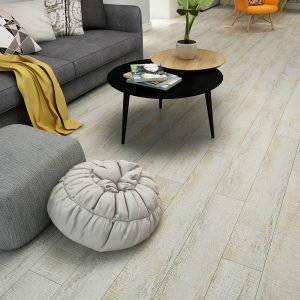
Are you looking to upgrade your residential or commercial flooring game? Seeking an affordable and durable option? Look no further than SPC flooring! SPC, or Stone Polymer Composite Flooring, is a attractive, cost-effective solution that can help you reach the next level of flooring. In this guide, you will learn all about the advantages of SPC flooring; how it’s made, installed, and maintained; and the different types available. Read on to gain a comprehensive understanding of why SPC flooring is taking the world of flooring design by storm.
What is SPC Flooring?
SPC flooring, or Stone Polymer Composite flooring, is a multilayer composite flooring material made from a combination of limestone powder and PVC (polyvinyl chloride). The stone and PVC are mixed with stabilizers and additives to form a durable, cost-effective and attractive flooring option. SPC flooring is a perfect choice for high traffic areas such as office buildings, schools, apartments, and homes. It is also known for its natural resistance to water and flame, making it ideal for kitchens, bathrooms and other areas prone to moisture or high temperatures.
Benefits of SPC Flooring
SPC flooring provides multiple benefits when compared to other flooring materials. The cost of SPC flooring can be up to 30% less than traditional flooring materials such as ceramic tiles and wooden floors; plus, the material is more stable and eco-friendly. This type of flooring is waterproof and highly resistant to fire and temperature fluctuations. The installation process is easier than for other materials since it only requires simple click-and-lock or tape-and-lock systems. Additionally, SPC flooring is highly scratch, stain, and dent resistant. You can enjoy a lifetime of reliability and durability!
Types of SPC Flooring
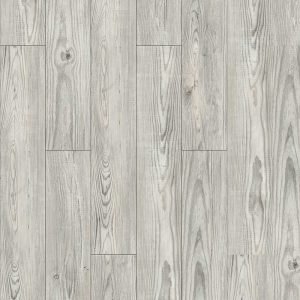
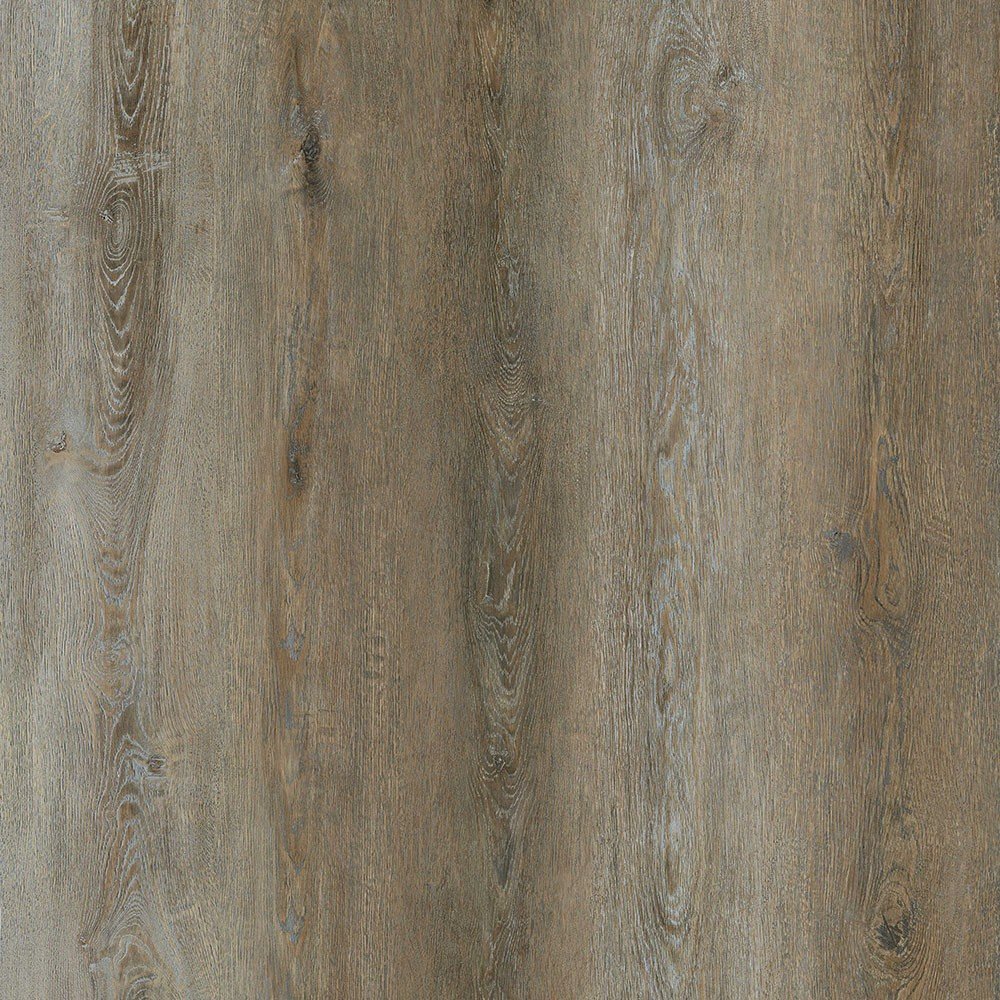
SPC flooring comes in a variety of styles and colours to suit any design aesthetic. There are two main subcategories: Rigid Core and WPC (Wood Polymer Composite) flooring. Rigid Core flooring is composed of a core layer made of limestone powder and PVC powder, with a decorative surface layer made of a vinyl wear layer. WPC flooring is slightly different in that it is composed of a waterproof core made of wood-plastic composite, with a vinyl wear layer printed with an attractive design. Both types come in planks and tiles to create endless combinations of designs.
Installing and Maintaining SPC Flooring
SPC flooring is incredibly easy to install, whether you choose planks or tiles. The click-and-lock system allows for DIYers to install the flooring in a snap. Professional installation is generally cheaper and can be completed in a fraction of the time, creating a beautiful and long-lasting floor. To keep your SPC flooring looking as new as the day it was installed, it is important to maintain it properly. Regularly sweep or vacuum the floor to remove dirt and debris. Clean up spills immediately with a damp mop or damp cloth. Avoid using abrasive cleaners or materials and never wax the floor.
Conclusion
SPC flooring is a great, cost-effective choice for both residential and commercial settings. With its durability, fire resistance, and waterproof properties, it’s perfect for high-traffic areas. The simple installation process and versatile styles and designs allow for endless combinations and custom designs. Not to mention, SPC flooring requires minimal maintenance, making it a long-lasting, reliable option for many years to come! Take your flooring to the next level with SPC flooring.