The Benefits of SPC Flooring for Your Home or Business
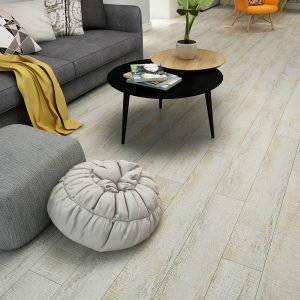
SPC flooring is quickly becoming one of the most popular flooring types for both residential and commercial spaces. SPC stands for stone plastic composite and is made up of a 100% waterproof core and reinforced vinyl compound-based wear layer. This combination of materials makes it ideal for most applications, from residential to commercial.
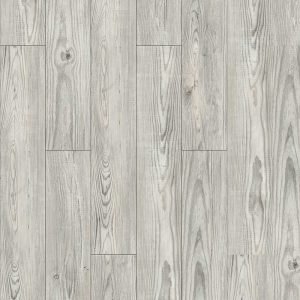
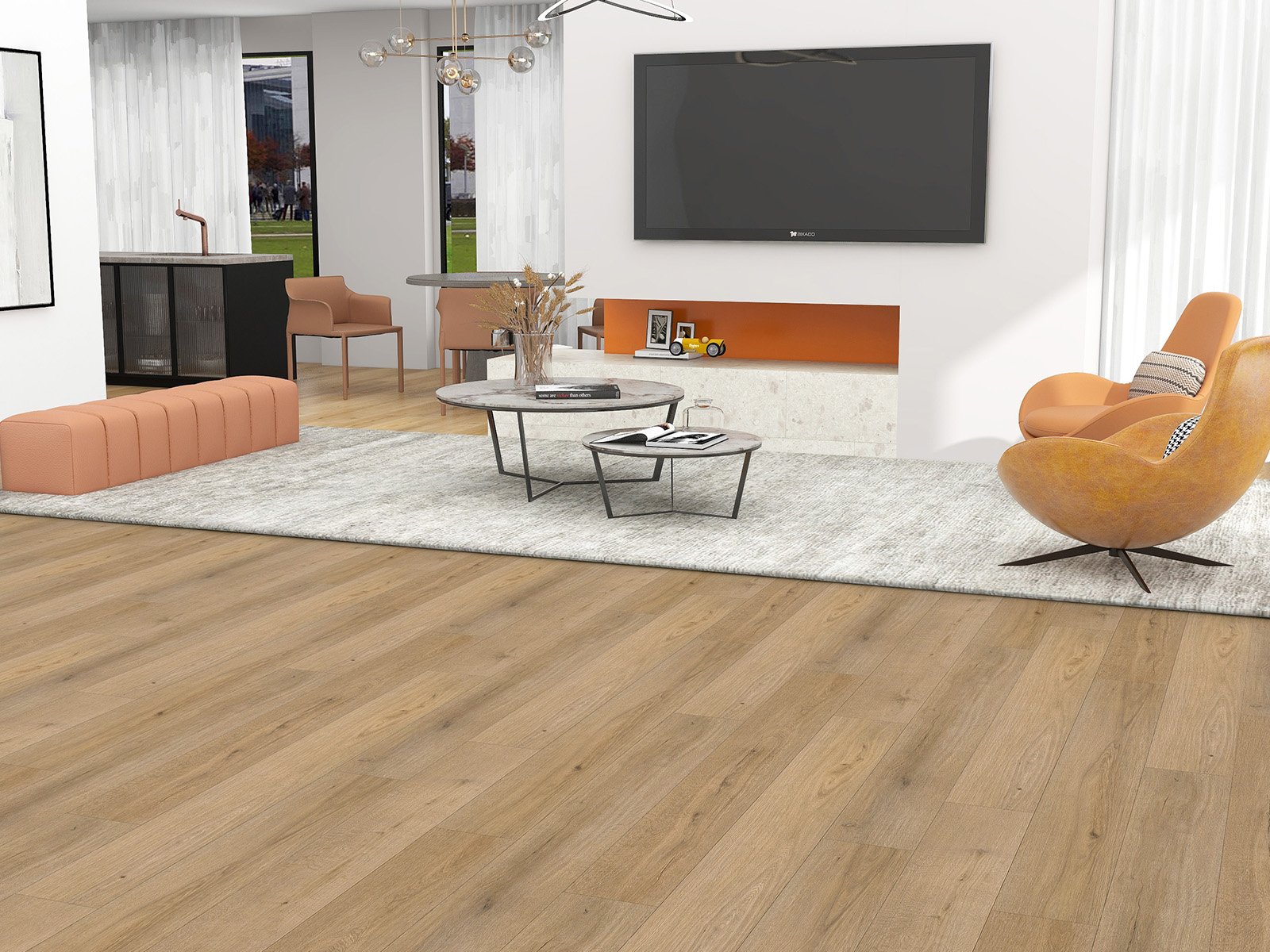
The versatility and durability of SPC flooring make it an excellent option for almost any area. It can be used in basements, bathrooms, kitchens, offices, dining rooms, and other rooms. Additionally, SPC flooring is available in a range of colors, finishes, and patterns, making it easy to get the perfect look for any space. It can also be installed over a variety of existing tough surface materials such as vinyl, concrete, and hardwood.
Additional Benefits of SPC Flooring
- SPC flooring is 100% waterproof and can withstand spills without warping or discoloration over time.
- It is easy to maintain and clean, and you can use a wet mop or sponge to clean it regularly.
- It is also a good insulator and is soundproof, giving your space a quiet and peaceful environment.
- The PVC wear layer provides an extra layer of protection against scratches and dents, giving it a longer lifespan than traditional flooring.
- It is also eco-friendly, having been made from recycled materials.
SPC flooring is ideal for any type of living or commercial space. It is a durable, stylish, and affordable option that can help add value to any home or business. It is also easy to install and maintain, making it a great choice for those who are interested in a beautiful and long lasting flooring option.
What are the pros and cons of SPC flooring?
Pros
– Durable: SPC flooring is exceptionally durable and when properly cared for, it can last for 10 to 20 years or more.
– Easy to clean: SPC flooring is easy to clean as it has a ceramic-type finish that is nonporous and resists dirt, dust, and stains.
– Easy to install: Most SPC flooring can be installed as a floating floor, meaning that it can be used without a subfloor and requires no glue or nails.
– Less expensive: SPC flooring tends to be more economical than other types of flooring.
Cons
– Not suitable for wet areas: SPC flooring is not suitable for wet areas such as bathrooms or laundry rooms.
– Poor acoustics: The rigid structure of SPC flooring reduces sound absorption, resulting in poor acoustics.
– Requires maintenance: Although SPC flooring is easy to clean, it may require periodic maintenance such as waxing or buffing.
– Susceptible to scratching: SPC flooring is susceptible to scratching, which can be unsightly and difficult to repair.