Revamp Your Home: Discover the Advantages of Vinyl Flooring
Are you looking to give your home a makeover? Have you considered using vinyl flooring?
Vinyl flooring is a popular choice for homeowners who want to upgrade their interior design without breaking the bank. The low cost and long-lasting durability of vinyl make it an attractive option for homeowners looking for an easy, low-maintenance way to give their home a fresh new look.
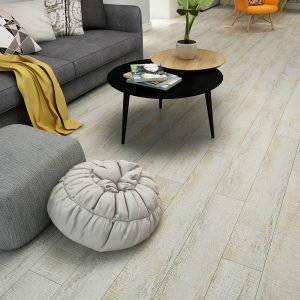
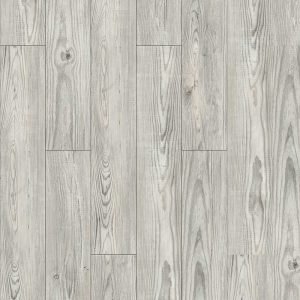
Vinyl flooring is available in a range of styles and colors, so you can easily find an option to suit your unique taste. Whether you’re going for a modern, classic, or rustic look, you can find vinyl flooring to match your interior décor. From traditional hardwood-look planks to intricate tile-style designs, vinyl flooring is sure to make any room look stylish and updated.
In addition to its aesthetic appeal, there are several practical advantages to choosing vinyl flooring for your home. It’s water-resistant, scratch-resistant, and generally resistant to everyday wear and tear, so it will continue to look good for many years to come. Vinyl flooring is also easy to clean and maintain, requiring only an occasional vacuuming or mopping. And it’s an environmentally friendly choice, as it’s made from recycled materials and does not add to the carbon footprint.
If you’re looking for an affordable, modern flooring option for your home, vinyl flooring is a great choice. With its variety of designs and long-lasting durability, vinyl flooring can revamp your home and leave you with a stylish, updated interior design.
How do you install vinyl flooring?
1. Measure the area you plan to install the vinyl flooring.
2. Purchase the appropriate amount of vinyl flooring and any materials needed for installation.
3. Cut the vinyl flooring to fit the desired area and remove any furniture or decorative items from the space.
4. Clean the flooring area thoroughly and ensure it is level and free of any debris.
5. Place the vinyl planks into position and cut around any obstacles like door frames, vents, or radiators.
6. Install a foam underlayment before laying the planks.
7. Secure the planks in place with a rolling pin or hand roller and use a jigsaw to cut any necessary slots.
8. Apply adhesive around edges and corners and place spacers to leave an even gap.
9. Lay the other side of vinyl in place and remove any excess adhesive using a putty knife.
10. Trim any excess vinyl with a utility knife and seal the edges with vinyl sealant to prevent moisture damage.
11. Enjoy your newly installed vinyl flooring!